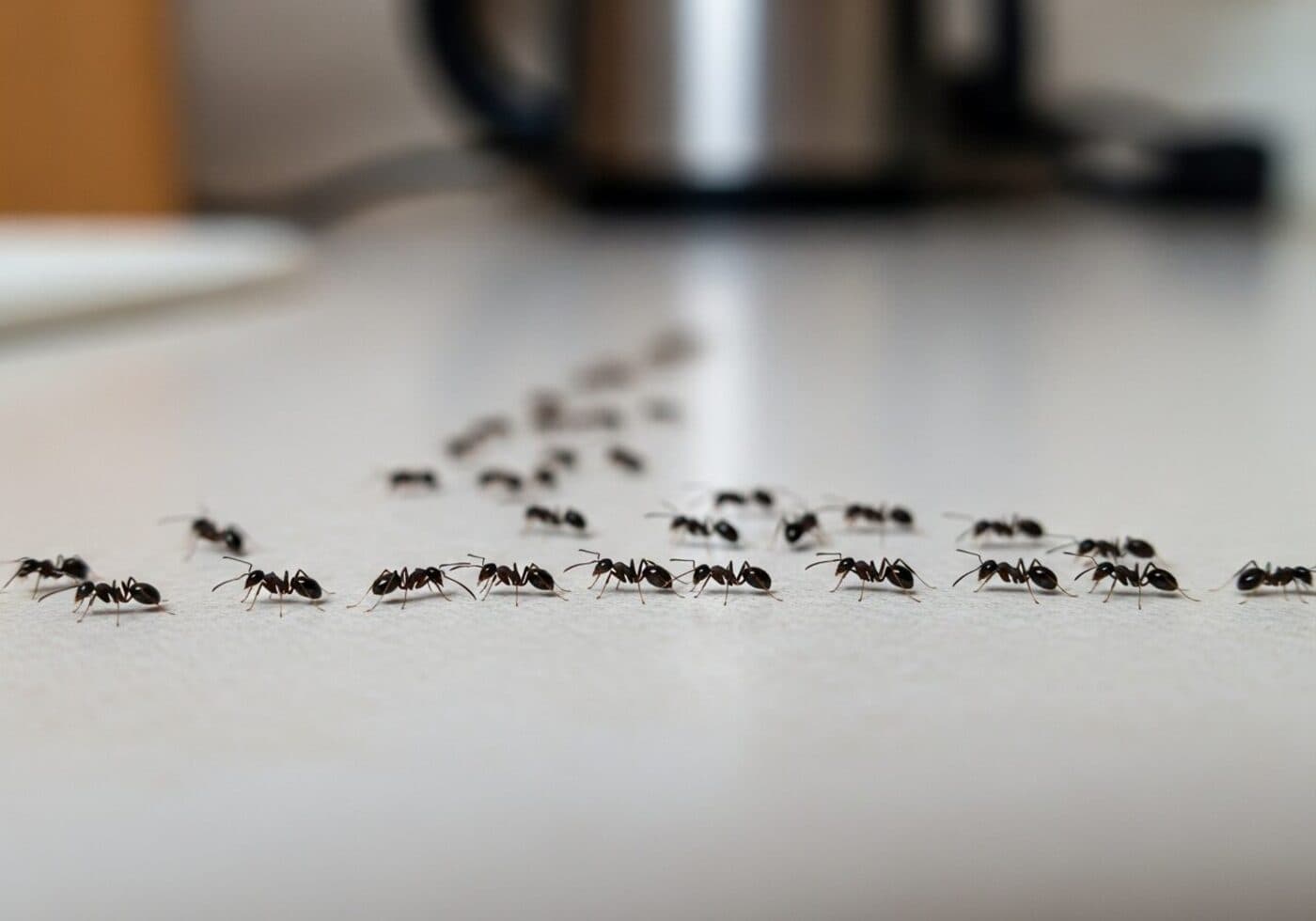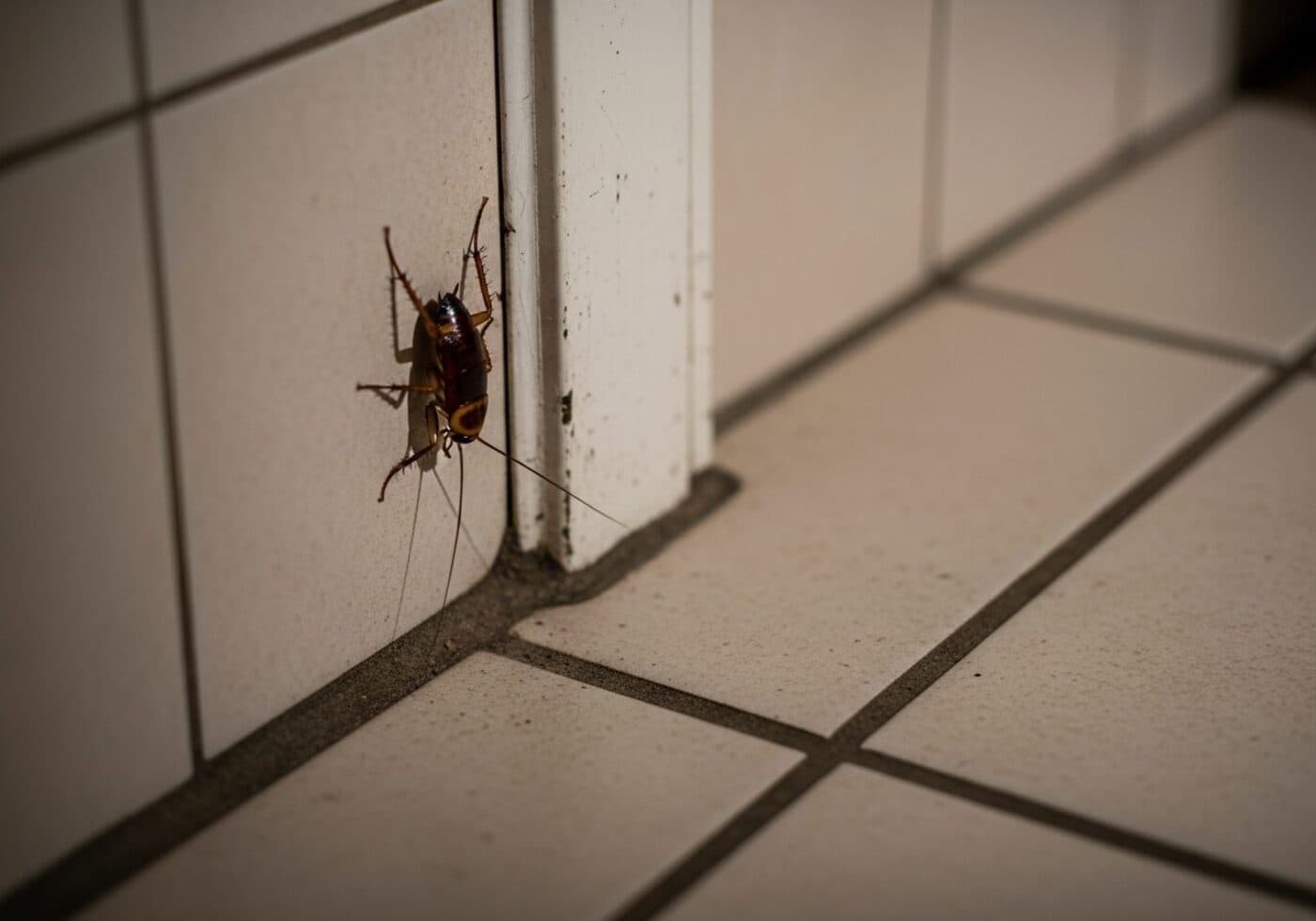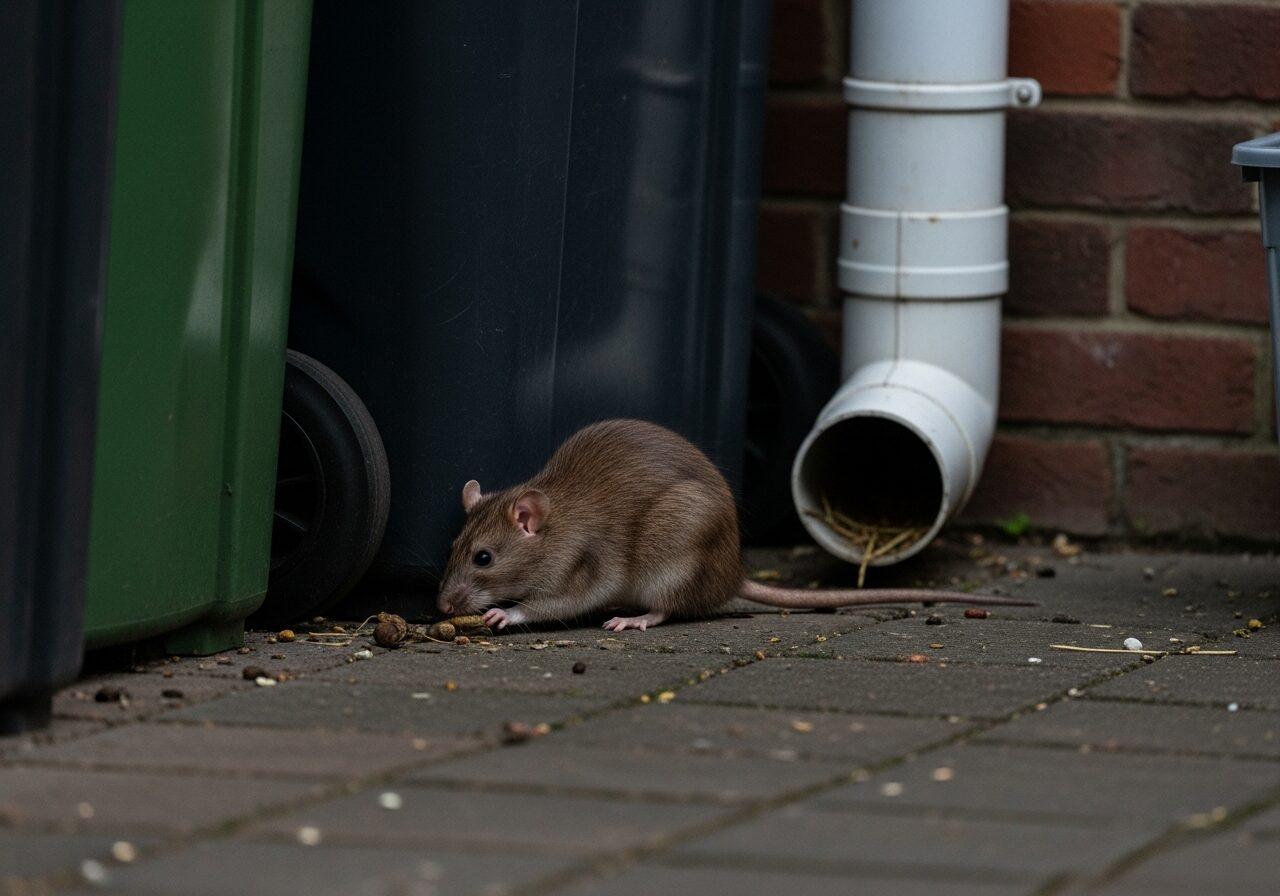
The British Pest Control Association and the Chartered Institute for Environmental Health have issued a joint warning to food businesses about rats this winter. The headline most outlets ran with is a global one, so it is worth separating what the figures actually say from what they are being used to say.
What the figures are, and what they are not
Two numbers are doing the work in the coverage. Rodents are estimated to damage 20 per cent of the global food supply every year, at an annual cost worldwide of more than £11 billion. Both are global figures. Neither is a UK number, and neither tells a food business in Derby what its own risk looks like.
The figure that does is domestic and comes from an independent report commissioned by the BPCA: less than half of pest control work in the food services industry was preventative in 2025. More than half of businesses dealt with an infestation that had already arrived rather than taking steps to stop one.
The same report put a number on what that choice costs. In complex cases where there was a risk of material impact, professional pest control saved businesses £2,000 on average during 2025, and early intervention created a further £700 of saving on top.
Why winter, and why this winter
The old assumption was that cold weather thinned rat populations out. Milder winters have removed that check, and what happens instead is displacement rather than decline: rats move into farms, food processing sites, warehouses and kitchens because those buildings are warm, fed and sheltered when the ground outside is not.
For a food business that changes the nature of the risk. A rat in a hedgerow in July is somebody else's problem. A rat behind a kitchen service void in December is an environmental health matter.
What the law actually requires
Two pieces of legislation sit behind this and they do different jobs.
Under the Food Safety Act 1990, food business owners are required to keep their premises pest-free. Under the Prevention of Damage by Pests Act 1949, property owners must keep buildings rodent-free, or report an infestation to the local authority where it threatens health or property.
Environmental health officers can issue enforcement notices to businesses without adequate pest management in place. The important word there is adequate, and in practice that is assessed on what you can show rather than what you did. A business with no documentation has no defence even where its kitchen is clean.
Ian Andrews, head of environmental health at CIEH, said: “Rats pose a recognised threat to food safety and public health, with the potential to contaminate food, spread disease and put consumers at risk. Prevention is always better than dealing with an established infestation. Food businesses have a responsibility to protect their customers, and effective pest management is a fundamental part of maintaining safe and hygienic premises.”
What a preventative contract actually involves
The BPCA finding, that most food-service pest work is reactive, is less about negligence than about what businesses think they are buying. A call-out is a visible cost against a visible problem. Prevention is an invoice against something that has not happened, which is a harder thing to approve.
What it buys, concretely, is this.
Scheduled inspection of the places rats actually use, which are rarely the places people look. Service voids, the gap behind and beneath fixed equipment, drainage runs, roof voids, and the line where an external wall meets the ground. Most kitchens are inspected at eye level and entered at floor level.
Proofing as a separate activity from treatment. Killing the rats in a building that still has the hole they came through buys you a winter, not a solution. A young rat passes through a gap around 20mm, which is smaller than most people assume when they look at a service penetration and judge it closed.
Monitoring between visits, so that activity is found by a device rather than by a member of staff or, worse, a customer.
Records written as you go. A survey record, a treatment record and a follow-up position, dated and addressed to whoever will have to produce them. This is the part that converts pest control from a cost into a defence, and it is the part most often missing when an officer asks.
The part of the warning that points at membership
The BPCA and CIEH release directs food businesses to use a BPCA member company, and that is not a formality. Membership is a grade a company is assessed for rather than a badge it adopts, and it can be checked by anyone in about ten seconds.
The Pest Control Co trades as D&R Solutions Ltd and is a BPCA Full Member, membership number M15/2682, for the 2026 membership year. Anyone can confirm the company is still compliant at bpca.org.uk/check. We are also TrustMark registered under licence 3454352, the government-endorsed quality scheme, with BPCA as scheme provider, and assessed to BS EN 16636, the European standard covering how pest management work is surveyed, carried out and recorded.
Those three things are listed together because they are the ones a procurement screen or an environmental health officer can verify independently. Anything we say about ourselves beyond that is just us talking.
East Midlands food businesses
We work with kitchens, restaurants, takeaways, food manufacturing units and warehousing across Derby, Nottingham, Leicester and the surrounding counties, which is a region with a dense concentration of distribution and food processing sites along the motorway corridors. Those units share the characteristics rats exploit in winter: large footprints, constant goods movement, loading bays that cannot be sealed, and external ground that backs onto open land.
If your premises falls into that description and your pest control is currently a phone number you ring when something goes wrong, the BPCA's own finding is that you are in the majority. The report also suggests that is the more expensive half to be in.