If left unchecked, pests can wreak major havoc on a property, causing costly and sometimes even irreparable damage.
Woodworm is a common issue in the UK, and one of the most frequent causes of timber degrading in a property and therefore failing to reach its predicted lifespan.
So, to help you prevent this issue from happening in your property, we’ve used this article to share the most common causes of woodworm. Keep reading to find out more about identifying woodworm, its treatment, and how wood and timber in a property can get infested with them.
How to identify woodworm
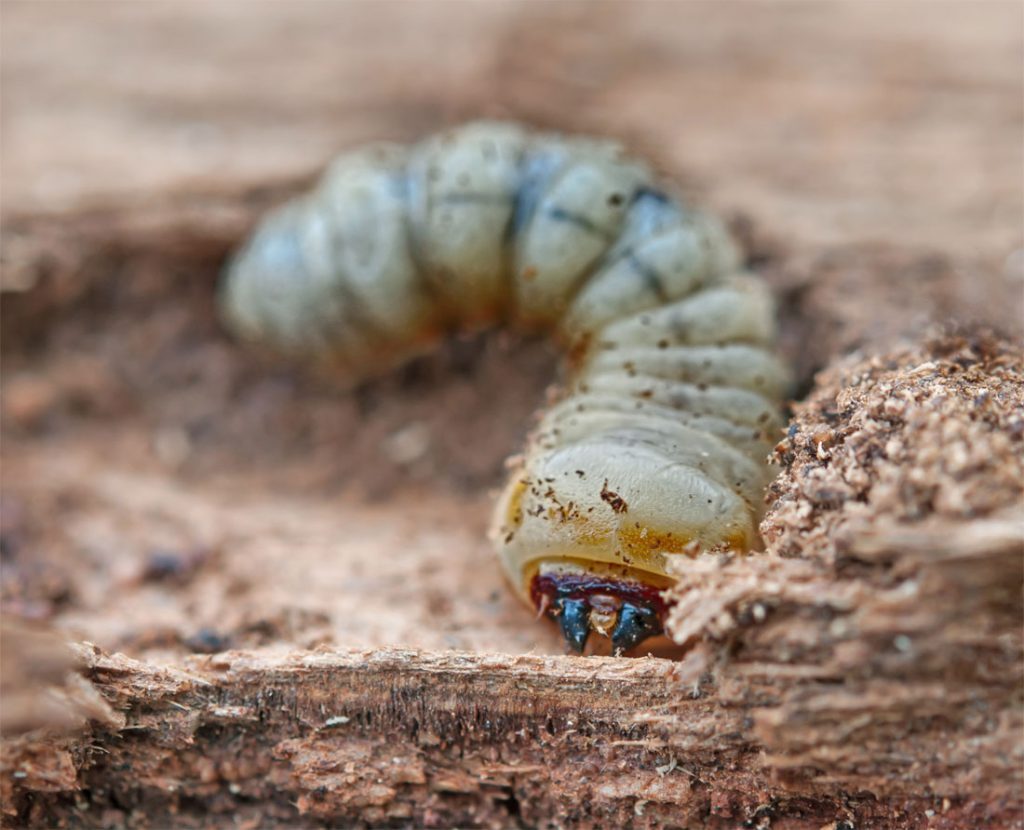
Woodworm is a general term for the larvae of a range of wood-boring beetle species. These larvae feed on timber, and are known to infest properties where there are timber structures in place.
Without the correct treatment, these insects can cause rapid and irreversible structural damage to a property.
You can identify woodworm by looking for these key signs:
- Small exit holes (around 2-4 mm in diameter) on the surface of the wood
- Fine bore dust, located near these exit holes
- Small tunnels in the wood
- Crumbling edges of timber structures
- Weakened timber
- Spotting any beetles or larvae (alive or dead) around timber
The sooner you are able to identify the woodworm, the more you can limit the damage it causes.
If you spot any of these signs, contact a woodworm infestation specialist as soon as possible. At PestCo, we provide specialist woodworm prevention and woodworm control services, with child and pet safe treatments delivered by fully insured and accredited professionals.
What causes woodworm?
Although woodworm is caused by the feeding of larvae insects, there are a number of factors that can increase the likelihood of woodworm infestations.
A woodworm infestation could be caused by:
- A spell of high damp or humidity (allowing beetles to thrive)
- Poor ventilation in the property (conditions which these beetles favour)
- High moisture content in the timber (as this makes the timber easier for the larvae to consume)
- If infested items are introduced to a property (e.g. through already-infested outdoor furniture or building materials)
Treatment for woodworm
Thankfully, if identified in time, a specialist can efficiently and thoroughly tackle a woodworm infestation.
The typical treatment process for woodworm includes:
- Once you have enlisted a qualified pest control specialist, they will assess the site and determine the best steps to take.
- Water-based insecticides are then applied to the infested areas, to eradicate the larvae and stop them from returning.
- Any timber that has been seriously damaged will then be identified, and replacements will be recommended where necessary, to ensure the property is made safe again.
- The specialist will then advise you of the most likely cause of the infestation and help you to implement effective prevention measures. For example, this could be improving ventilation in your property.
At PestCo, we offer professional, comprehensive woodworm prevention and control services.
Our experienced team are trusted by customers across Derby, Nottingham, Leicester and the surrounding areas, delivering a fast, friendly, discreet and dependable pest control solution.
To find out more about our woodworm treatment services, don’t hesitate to get in touch.