Although they’re a common pest, that doesn’t make the presence of silverfish in your home any less unsettling!
Silverfish are a household pest, which are frequently found in UK residential and commercial properties. They are particularly common in dark, warm and moist areas (e.g. corners of a bathroom).
Although they don’t bite, spread disease or have any side-effects on humans themselves, it can be very unpleasant to see them in your home. Furthermore, if untreated, silverfish can cause damage to your property.
So, to help you remove silverfish from your home, our pest control experts have shared a handy, comprehensive guide below.
What are Silverfish, and how common are they?
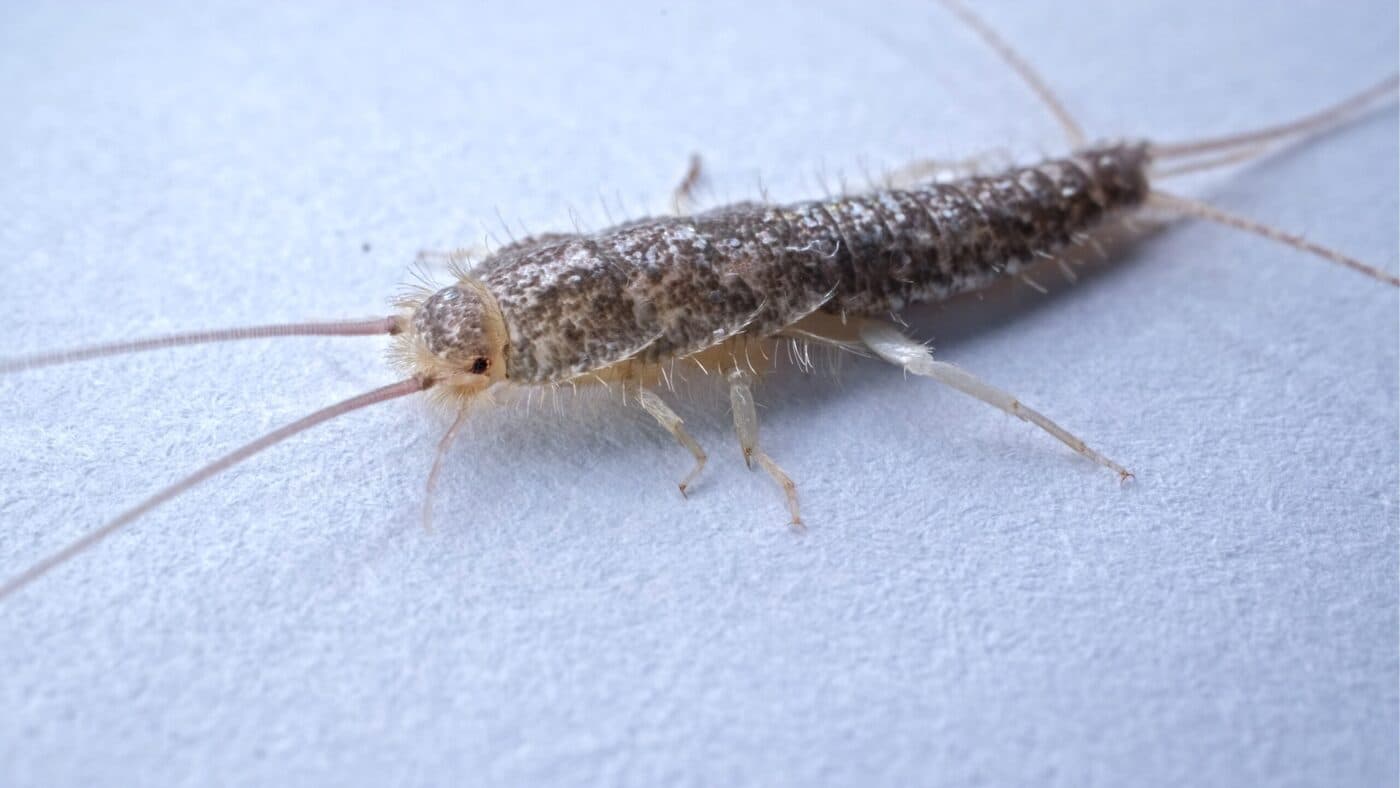
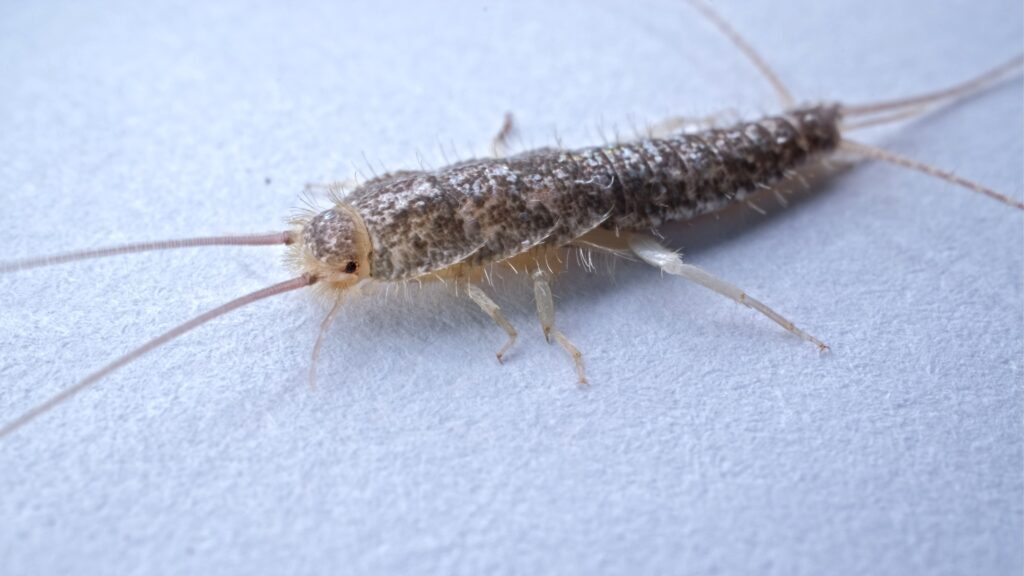
Silverfish are small, teardrop-shaped insects. They are a silvery-grey colour, they are wingless, and have flattened bodies.
They choose damp, warm, dark and humid environments. In properties, this means they are typically found in bathrooms and kitchens, plus basements, storage areas and near boilers.
As they are nocturnal insects, silverfish will avoid light. The unfortunate downside of this is that silverfish infestations are usually very difficult for property owners to identify, until the point where their numbers have grown.
If you do spot silverfish in the UK, don’t be hard on yourself. These pests are widespread across the UK. This is because, not only are they ideally suited to thrive indoors, but they also eat everyday materials and can survive without food for long periods of time. As a result, they are very hardy creatures, and can establish themselves indoors very easily.
What problems do Silverfish cause?
Silverfish are not harmful to human health. However, they are a very unpleasant nuisance.
If left unchecked, they can also cause significant damage to a property. This is because they feed on household items. These include materials like paper, cardboard, fabrics, stored food products and wallpaper paste.
Over time, in domestic properties, this can mean the destruction of books, clothing, soft furnishings and wallpaper.
In commercial properties, this means that silverfish risk destroying your paper records, packaging or stock and packaged goods.
What are the signs of a Silverfish infestation?
Silverfish move quickly and can usually only be spotted at night. So, if you spot silverfish during the day, this can be indicative of a larger infestation.
Signs of a silverfish infestation include:
- Live or dead silverfish
- Shed skins
- Small holes in paper, wallpaper or fabrics
- Yellowish stains in the corners of the room
- Tiny black droppings
Look for these signs in cracks, behind fixtures and under flooring, in particular.
How to remove Silverfish
The most effective strategies to remove silverfish include:
- Reducing humidity in the property
- Improving ventilation
- Repairing any leaks
- Installing dehumidifiers
- Thorough cleaning, to regularly remove debris and clutter (their food sources)
- Vacuuming regularly (particularly around cracks, crevices, skirting boards and storage areas)
- Sealing any gaps around pipes, skirting boards and windows
- For more significant issues, contacting a professional pest controller
For larger or active infestations, professional pest control treatments are the most effective and dependable treatment.
Keeping your property protected
To protect your property against silverfish in the long term, you need to make sure you’re tackling the conditions that they look for to survive.
This means keeping your property dry, humidity levels low, and minimising debris or clutter.
It’s important to note that the presence of silverfish may also indicate an underlying damp or ventilation issue in your property. This is something to be aware of, if they keep returning.
The best way to protect your property in the long term is to arrange professional pest control services. In addition to expert assessments, they can implement precise, long term treatments, which minimise the risk of silverfish returning for many years.
To find out more about silverfish treatment, or to arrange a visit from our trusted, professional pest controllers, speak to the PestCo team today.