Every hospitality operator knows the feeling. The weather finally holds, the garden is full, every table outside is turning, and then the wasps arrive. It is not bad luck and it is not your bins. It is a collision of two calendars: the busiest fortnight of your outdoor trading year lands on top of the most dangerous fortnight of the wasp year.
Understanding why that happens tells you a great deal about what to do, and about what not to bother doing.
What changes inside the nest in late August
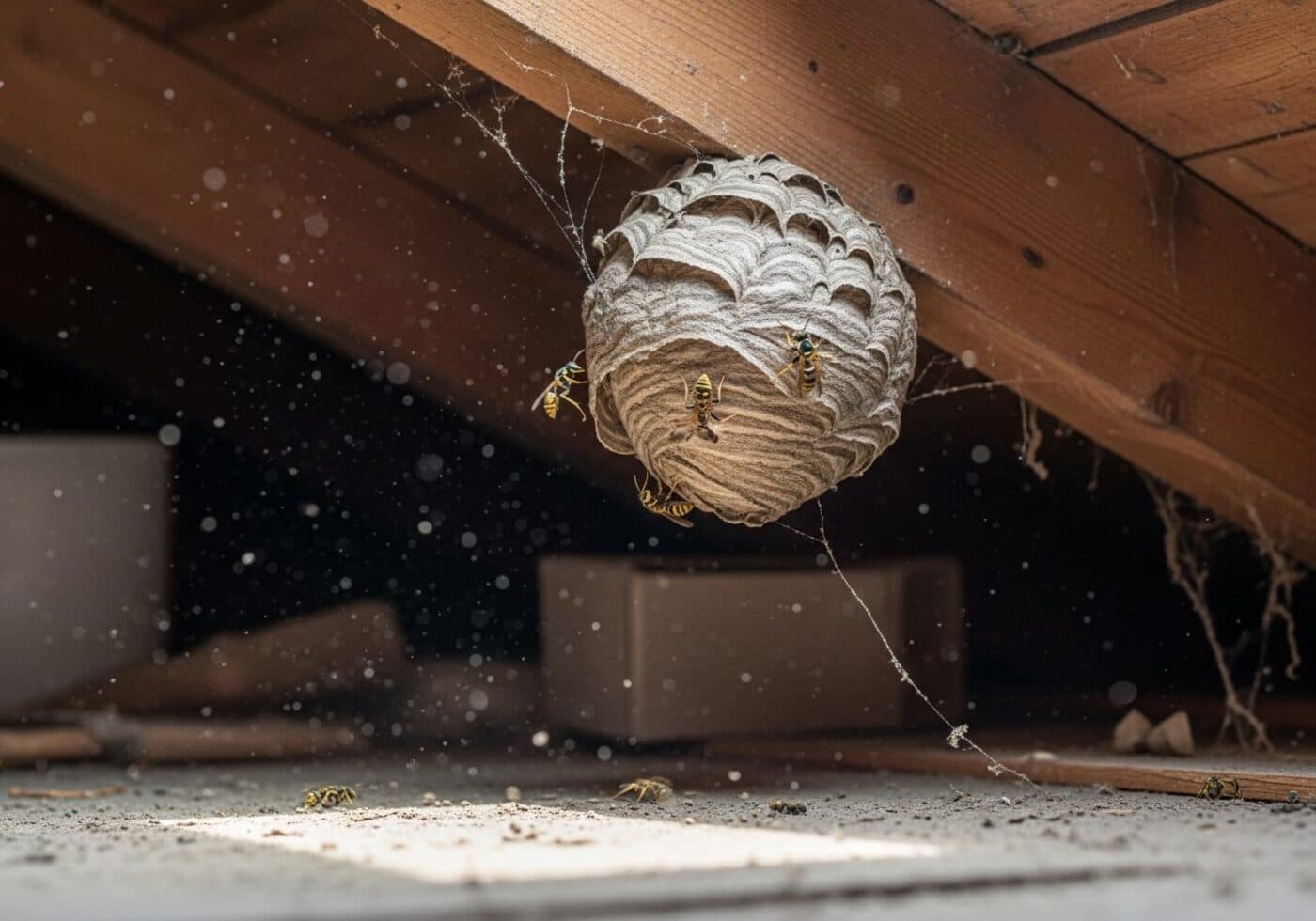
A wasp nest starts the season as a single queen and a structure the size of a golf ball. By early summer it might hold around fifty workers. By the end of August the same nest can hold several thousand, and the largest can run into five figures.
Sheer numbers are only half the story. The more important change is behavioural. Through spring and midsummer, worker wasps have a job: feed the larvae. The larvae reward them with a sugary secretion, which is where the workers get their own energy. It is a closed loop, and it keeps the colony focused on the nest.
In late summer that loop breaks. The queen stops laying, the last larvae mature, and the new queens and males leave to mate. Suddenly thousands of workers have no brood to feed, no secretion to live on, and nothing left to do. They go looking for sugar wherever they can find it, and they are hungry, disoriented and far more willing to defend themselves.
That is the insect landing on the rim of a pint glass in the third week of August. It is not behaving oddly. It is behaving exactly as the season dictates.
What it actually costs a venue
The direct cost of a nest treatment is trivial next to the trading impact. A consumer study by Rentokil found that 48 per cent of people would leave a venue or cut their visit short after encountering a wasp. On a busy Saturday in a full garden, that is not a nuisance, it is table turnover walking out of the gate.
Then there is the compounding damage. Customers who leave because of insects tend to say so in reviews, and a review mentioning wasps sits there permanently, being read next August by someone deciding where to book. Staff get stung during service. Outdoor food and drink service creates a contamination risk that an environmental health officer will take an interest in.
Why the trap on the table makes it worse
The instinctive response is a sugar trap, usually placed near the seating where the problem is worst. This is the single most common mistake we see in beer gardens, and it reliably backfires.
A sugar trap is a signal. It broadcasts a concentrated food source to every foraging wasp in range, and in late August the foraging range of a mature colony is considerable. You may catch a few dozen wasps. You will also have advertised your garden to a great many more, and you have put the advertisement next to your customers.
If traps are used at all, they belong at the far boundary of the site, drawing activity away from where people sit, and they are a supporting measure rather than a solution. They do nothing about the nest that is producing the wasps.
What works instead
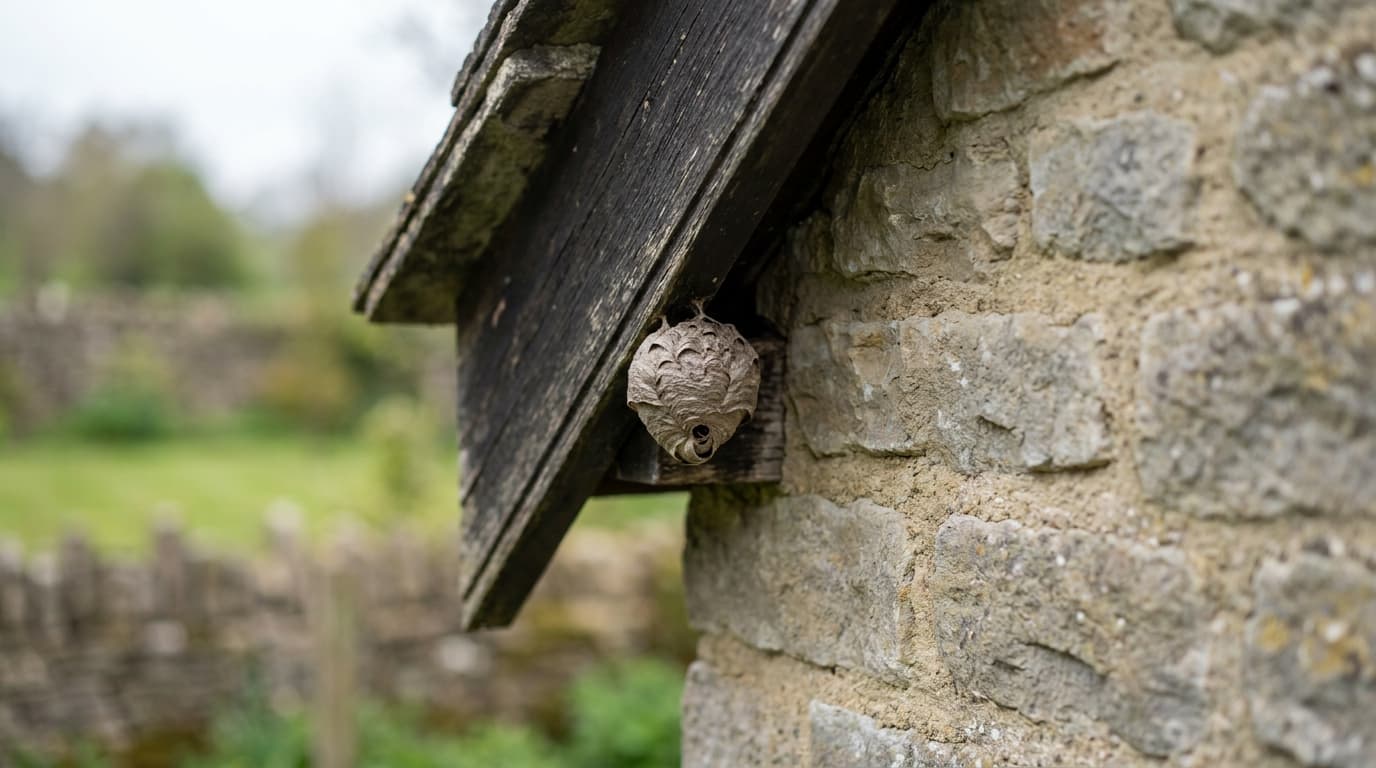
- Find and treat the nest. This is the only thing that meaningfully reduces numbers. One nest can supply the whole garden, and treating it at source usually quietens the site within hours. The nest is often not where the wasps are: a colony in a neighbouring roof void or a fence line can be the origin of everything landing on your tables.
- Get the waste stream right. Glass wash areas, uncovered bins, spillage under decking and fruit fallen from an overhanging tree are all food sources. Sealed lids, a bin store sited away from seating and a wash-down routine remove the reason wasps keep returning.
- Deal with it before the peak, not during it. A nest treated in July, when it is smaller and less defensive, is a quieter and cheaper job than the same nest in the last week of August with a full garden. If you saw wasps around the same corner of the building in June, that is the time to act.
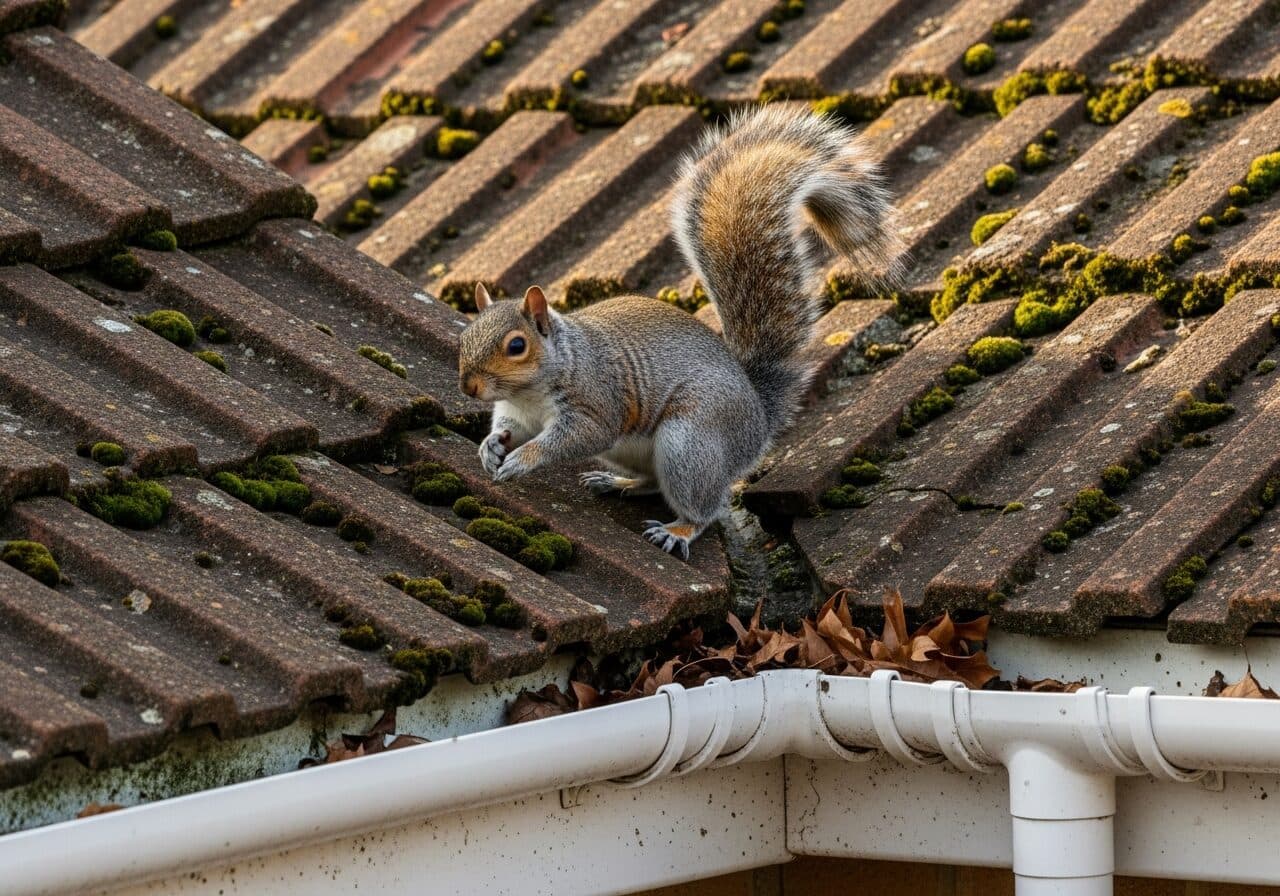
- Proof the obvious entry points. Soffit gaps, air bricks and loose flashing are where nests establish year after year. Proofing after a treatment is what stops the same building having the same problem next season.
The compliance side
For any venue serving food, the pest control question is not only whether the problem got solved. It is whether you can prove what you did about it.
An inspector is looking for evidence of a controlled process: what was found, when it was reported, what treatment was applied, who applied it and what was recommended afterwards. A venue that can produce that record is in a very different position from one that says the wasps went away on their own. This is why we document every commercial visit in a form that stands up to an environmental health or BRC audit, rather than simply attending and leaving.
The wasp year, in brief
- April and May. Queens emerge and found new nests. Nests are tiny and easily missed, and this is the cheapest possible moment to deal with one.
- June and July. Rapid growth. Wasps are focused on the nest and comparatively uninterested in your customers. This is the ideal window for a survey and treatment.
- Late August and early September. Peak size, brood rearing over, workers foraging for sugar. Maximum disruption to outdoor trading.
- October. Cold weather collapses the colony. Only mated queens survive, and they overwinter somewhere sheltered, often in the same buildings.
The practical conclusion is unglamorous but consistent. Venues that treat wasps as a July job trade normally in late August. Venues that treat them as a late August emergency spend their busiest fortnight managing complaints.
Getting it dealt with
We are a British Pest Control Association member company, and we handle wasp work for pubs, restaurants, hotels and visitor attractions across the Midlands and beyond. Treatments are scheduled around your service so the work happens when the garden is empty, our vehicles are unmarked so customers are none the wiser, and every visit is documented for your audit file.
If you have wasps in a trading area now, do not wait for it to settle down on its own. It will not until October. Request a free quote or read more about our commercial pest control for hospitality.