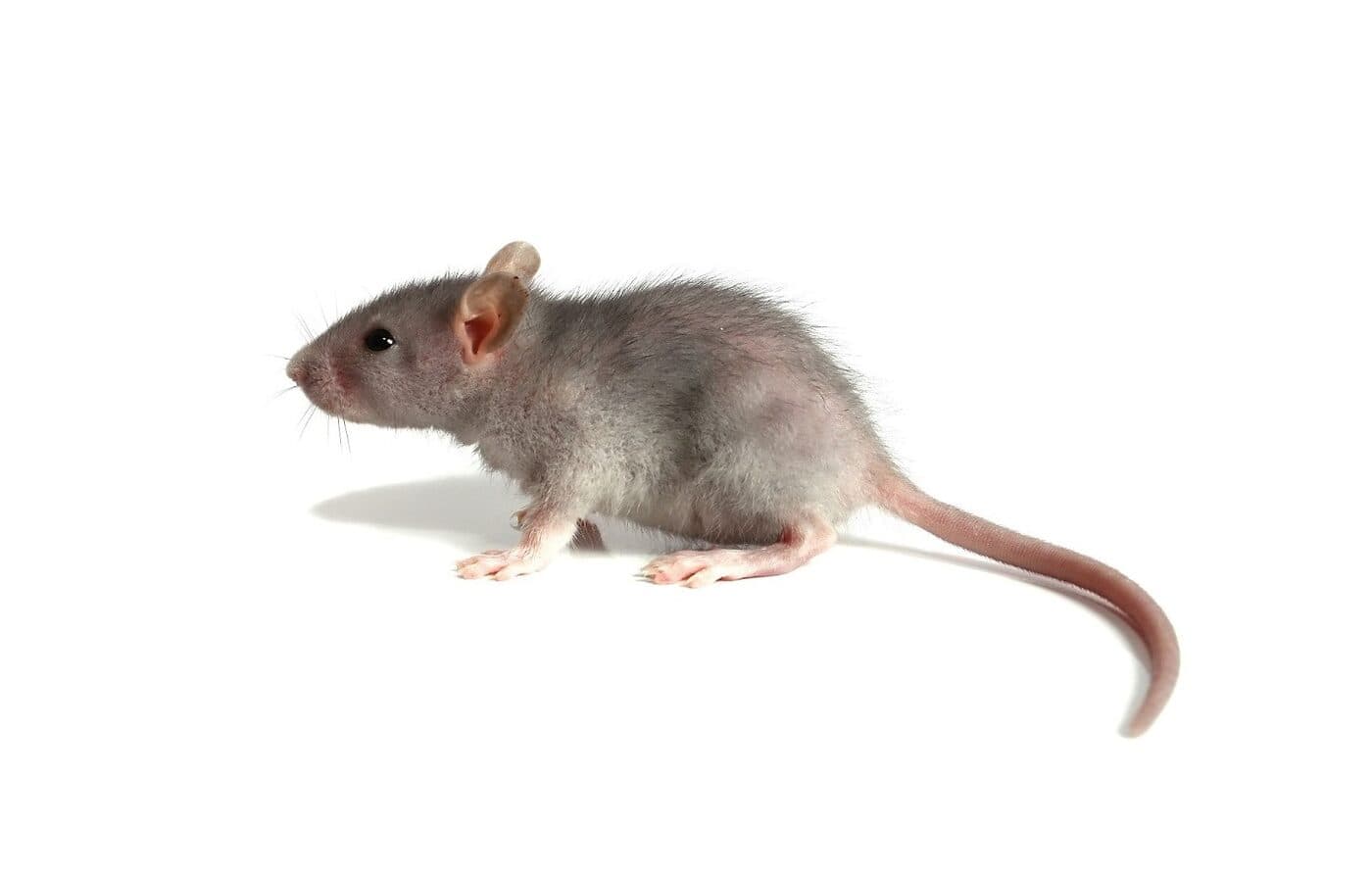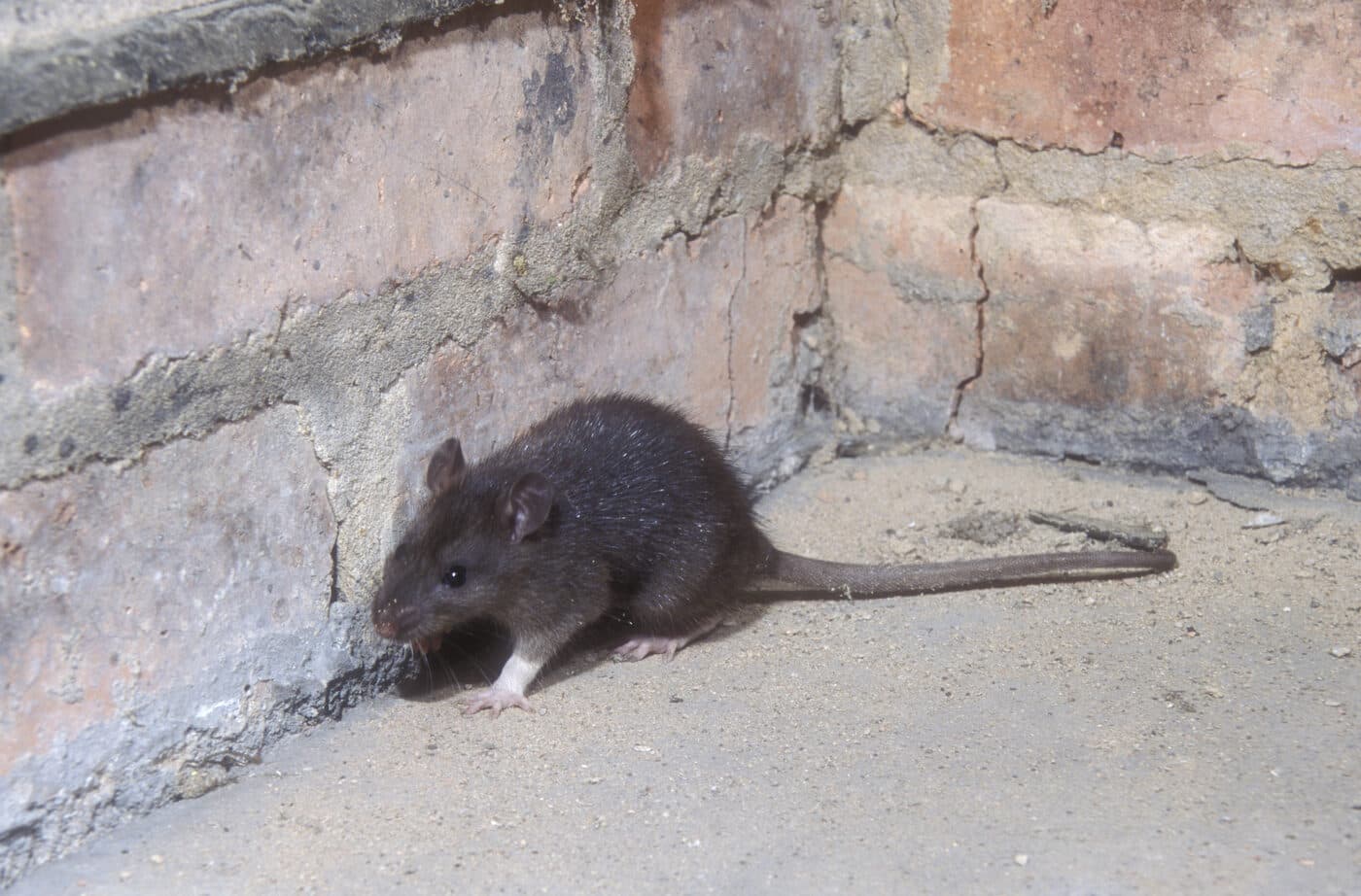
There is a fairly reliable pattern to rodent work in this country. The phone is quiet through the summer. Then the first properly cold night arrives, usually somewhere in late September, and within a fortnight we are booking out.
This is not a coincidence and it is not bad luck. It is a predictable annual migration, and the useful thing about a predictable event is that you can get in front of it. The six weeks between now and the end of September are the cheapest and easiest opportunity you will get all year.
Why autumn triggers it
Through spring and summer, rats and mice have everything they need outdoors. Food is abundant, cover is thick, and there is no reason to take the risk of moving into a building occupied by people.
Autumn removes all three advantages at once. Field margins are cut, crops come in, natural food collapses, and the ground cover that kept them safe from predators disappears. At the same time night temperatures fall. A building is suddenly the warmest, safest, best provisioned place for a considerable distance, and they can smell it.
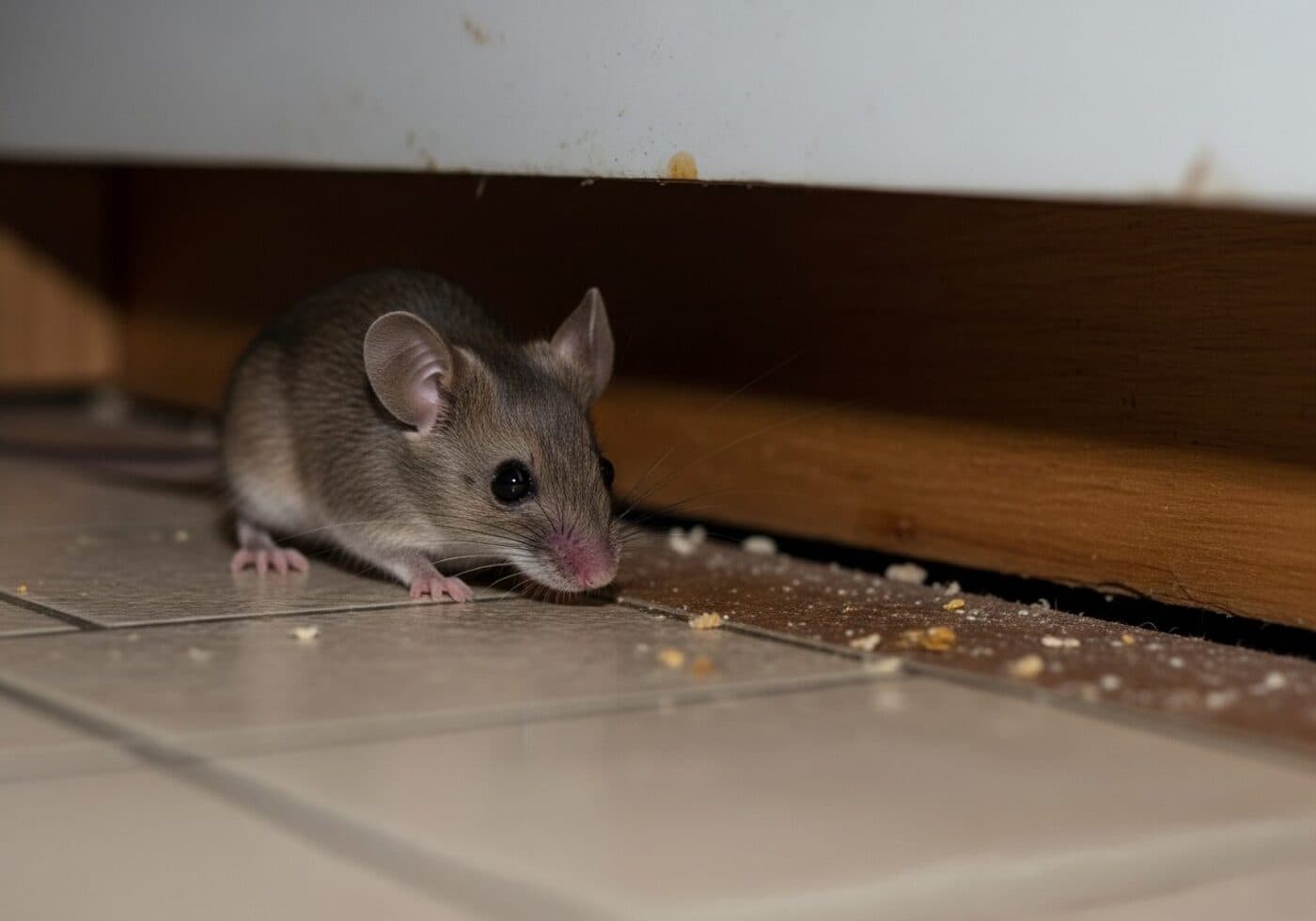
They are not looking for your kitchen specifically. They are following warmth and air movement, which is why they so often turn up first in the least used parts of a building: a loft, a garage, a boiler cupboard, a void behind kitchen units.
The gaps are smaller than you think
This is the single fact that changes how people look at their own building. A mouse needs a gap of about 6mm, which is roughly the width of a pencil. A rat needs about 15mm, near enough the width of your thumb.
Both are also capable of gnawing a gap that is nearly big enough into one that is. Rodent incisors grow continuously and they will work at soft mortar, uPVC, timber and lead flashing to widen an opening.
Once people know the 6mm figure they start seeing the problem everywhere, which is the right reaction. The places we find entry points most often are worth checking on your own building this month:
- Where services enter. Gas, water, waste and cable penetrations are drilled oversize and rarely sealed properly. This is the most common entry point we find, by a distance.
- Airbricks and vents. Especially older cast or clay airbricks that have cracked, and vents where the mesh has corroded away.
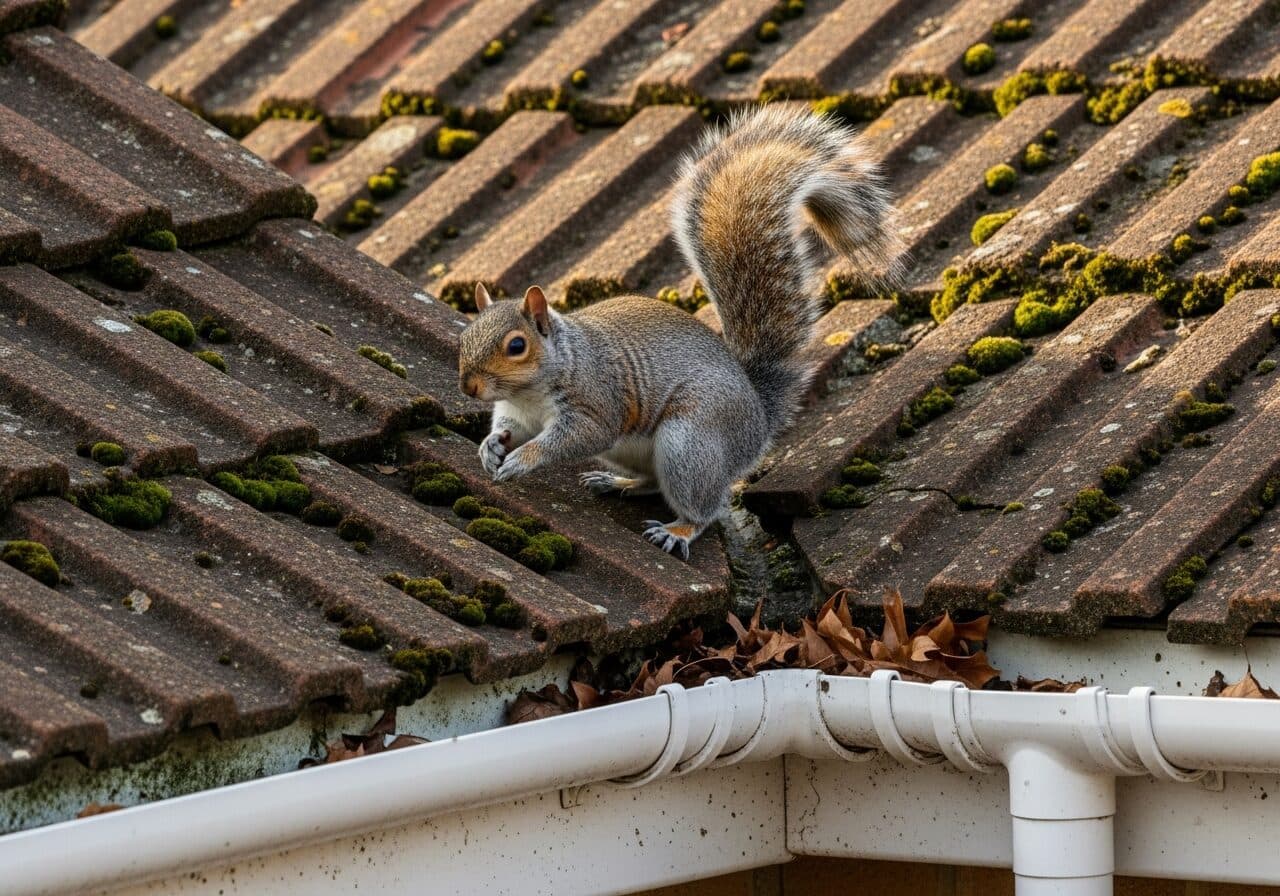
- The roofline. Gaps at the eaves, lifted or slipped tiles, and the junction where a flat roof meets the main wall. Rats climb far better than most people assume, and squirrels will open a small defect into a large one.
- Garage and outbuilding doors. The gap under an up-and-over door is frequently more than 15mm across its whole width.
- Drainage. Damaged or disused drain runs give rats a route directly into a building's footprint, entirely out of sight.
The materials that fail
Expanding foam is the most common mistake, and we cut it out of buildings constantly. It is quick, it looks like a repair, and a rodent will chew straight through it in a night. Silicone sealant on its own is the same story.
What actually holds is a physical barrier a rodent cannot get its teeth into. Galvanised welded mesh at a 6mm aperture, properly fixed and then made good with mortar, will still be there in ten years. Wire wool packed tightly into a gap before sealing over it works for smaller penetrations because they cannot chew it. Metal kick plates and brush strips deal with door gaps.
The principle is simple: seal with something they cannot chew, and fix it so they cannot pull it out.
Why proofing beats baiting
Baiting an active infestation is treating a symptom. If the entry point is still open, the building is still available, and next autumn another population simply walks in through the same gap.
Proofing changes the building itself. It is why we survey and proof rather than simply putting down bait and returning, and it is the difference between a problem that ends and a problem that recurs every winter. For commercial premises it matters even more, because an auditor wants to see that the cause was addressed rather than the evidence removed.
What to do in the next six weeks
- Walk the outside of the building slowly and look at it at ground level and at roofline height. Take a torch to the service entries.
- Clear the harbourage against the walls: stacked timber, pallets, dense ivy, bins pushed up against the building.
- Get bird feed, pet food and grass seed into sealed containers. These are the three food sources that most often keep a rodent population going through the winter.
- Deal with anything you found before the weather turns rather than after you hear something in the loft.
If you would rather have someone who does this daily walk the building with you, that is what a survey is for. We are a British Pest Control Association member company, our vehicles are unmarked, and we proof as well as treat so the problem does not simply return next October.
Request a free quote, or read more about how we handle rats and mice.